

Making Gallium Iodide UV Systems Actually Smart
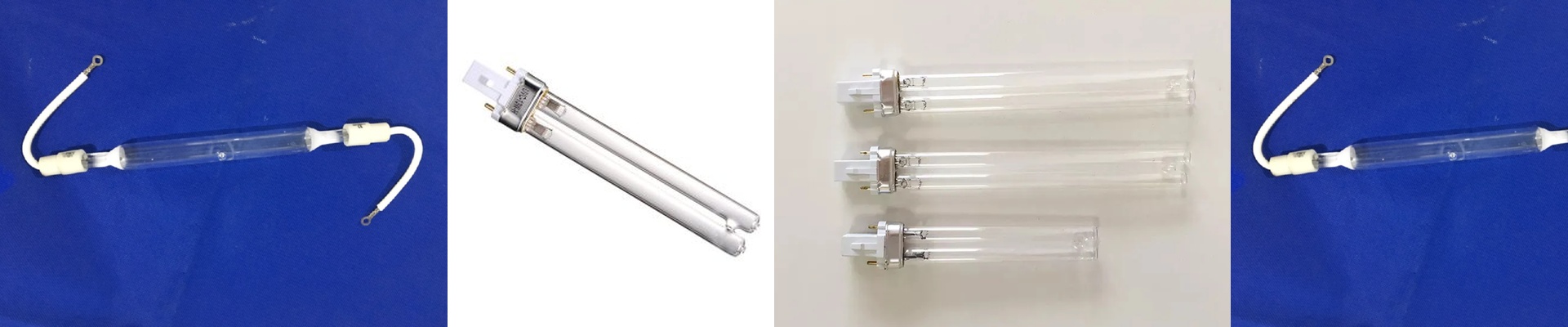
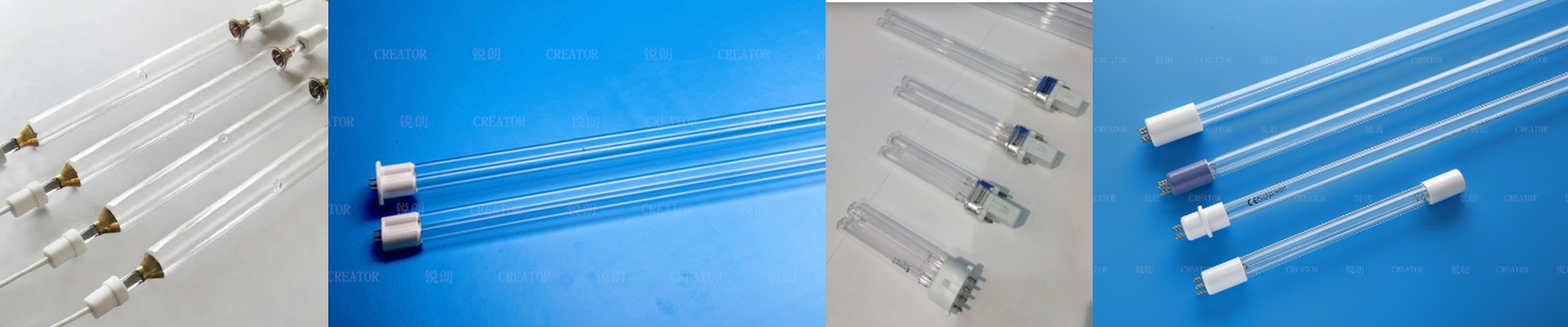
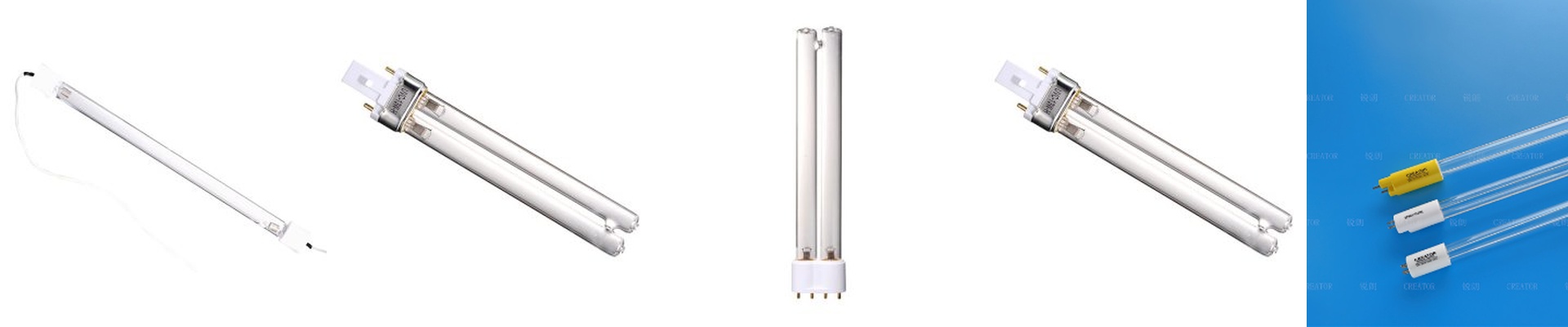
If you’re in industrial curing or lithography, you probably already know Gallium Iodide (GaI) lamps. They’re the heavy hitters. We build them to hit those specific spectral peaks that your standard mercury lamps just can’t touch. But lately, things are changing. We’re moving away from “dumb” lamps and toward smart arrays. Basically, we’re adding remote energy monitoring so you can see exactly how much UV intensity and power you’re pulling in real-time.
The reality of GaI physics
Here is the deal with GaI: they pack a massive UV punch, but they runhot. Like, really hot. Because of that, the quartz envelope has to be tough enough to handle extreme thermal stress without bowing. If you crank up the wattage but your cooling isn’t dialed in, the envelope is going to fail. It’s a trade-off. You get that incredible power, but you’ll kill your lamp life if you don’t keep it cool.
No more guessing games
For a long time, we just relied on simple timers. “The lamp has been on for X hours, so it’s probably time to change it.” That’s a gamble. Now, we’re putting sensors directly into the system to track the actual photonic output and electrical draw. This is huge. It means you’ll know a lamp is starting to dim before it ruins a whole production batch. You can just wire these sensors into your PLC and set up an automatic alert. No more guessing. No more “hope this lasts until Friday.”
The tricky parts
Of course, it’s not all plug-and-play. Adding all this monitoring gear makes your power supply a bit bulkier. And then there’s the signal noise. Those high-voltage ballasts can be noisy, and if your shielding is sloppy, your data will flicker. It’s frustrating. To fix this, we use isolated signal paths to keep everything clean and readable. At the end of the day, it’s about more uptime and way less waste. Just make sure your control system can handle the data coming from all those lamp heads. And please,calibrate everything. That’s the only way to actually trust the numbers you’re seeing.