


Stopping the Cycle of Disposable UV Lamps
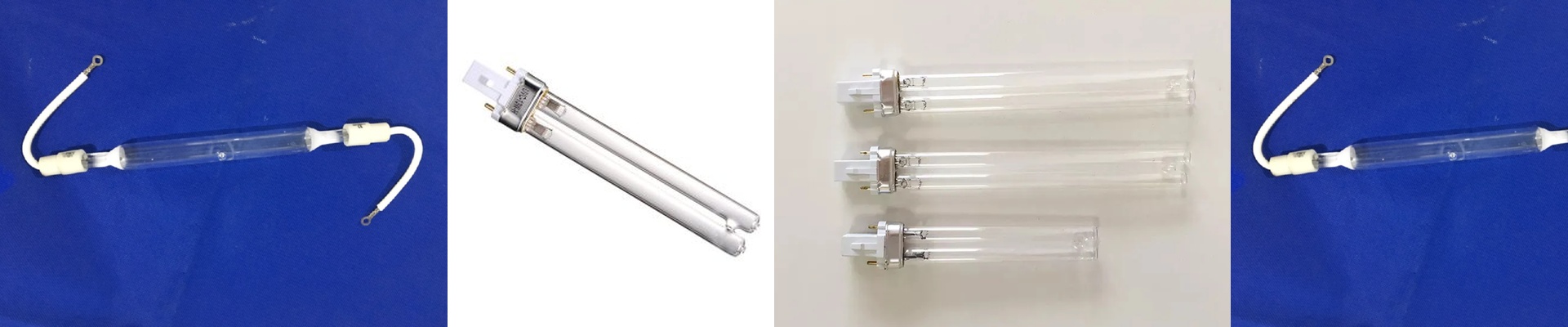
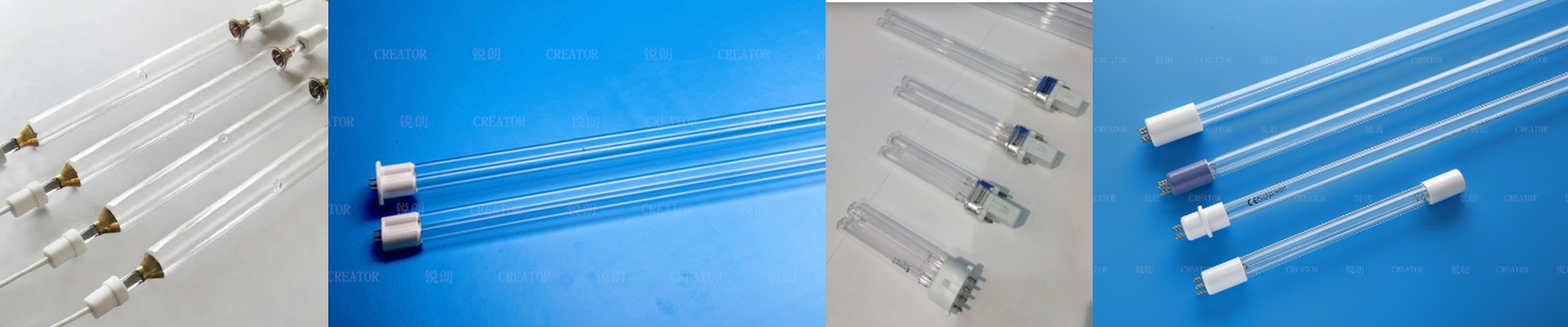
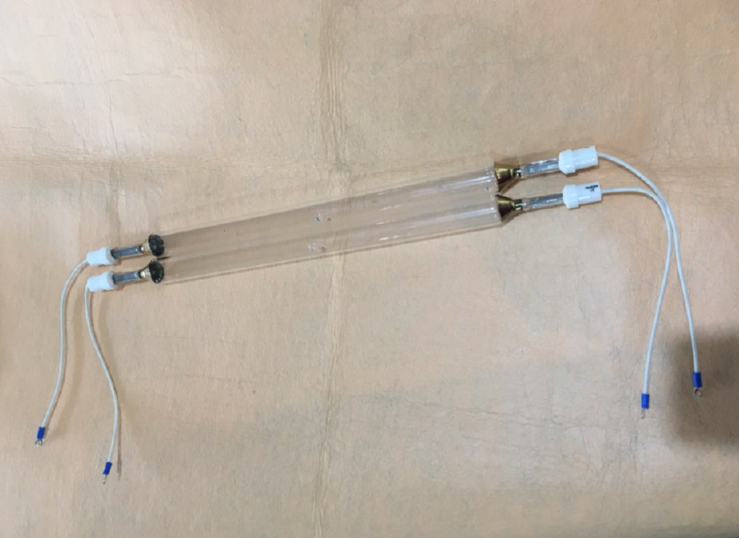
Let’s be honest: most UV curing systems are a pain. You’ve got lamps that burn out way too fast and components that are basically designed to be thrown away. Worst of all? A lot of them are packed with hazardous materials that make disposal a total nightmare. We decided to stop building things that are meant for the landfill. Instead, we’re focusing on a zero-pollution approach that actually lasts. Cleaning up the shop floor Most traditional lamps rely on mercury or gases that pump out ozone. That’s a risk you just don’t need in your workspace. We swapped all that out for mercury-free alternatives and high-purity quartz glass. No toxic leaks. No panic during environmental audits. Your workflow stays exactly the same, but your conscience (and your safety inspector) can breathe a bit easier. Built to actually last There is nothing more frustrating than a lamp that dies every few hundred hours. It’s a liability, plain and simple. To fix this, we obsessed over the boring stuff—thermal management and electrode stability. We used reinforced end-caps and better gas fills to keep the arc from degrading so quickly. The result? You aren’t swapping bulbs every other week. You get a steady, reliable UV output and a lot less downtime. It just works. The practical side of things You don’t need to rip out your entire line to make this work. These are designed as drop-in replacements. They fit the standard footprints, so you won’t be spending your weekend rewiring the whole factory. Now, here is the honest part: when you move to eco-friendly materials, the spectral peak can shift a little. You might need to tweak your conveyor speed or adjust your photo-initiator concentration to get the cure just right. It’s a small calibration step, but it’s a fair trade for never having to deal with hazardous waste disposal again. If you need the specific spectral data to get your line dialed in, just let us know. We’ve got it ready for you.