


Let’s Talk About Mercury UV Lamps (And Why They Actually Work)
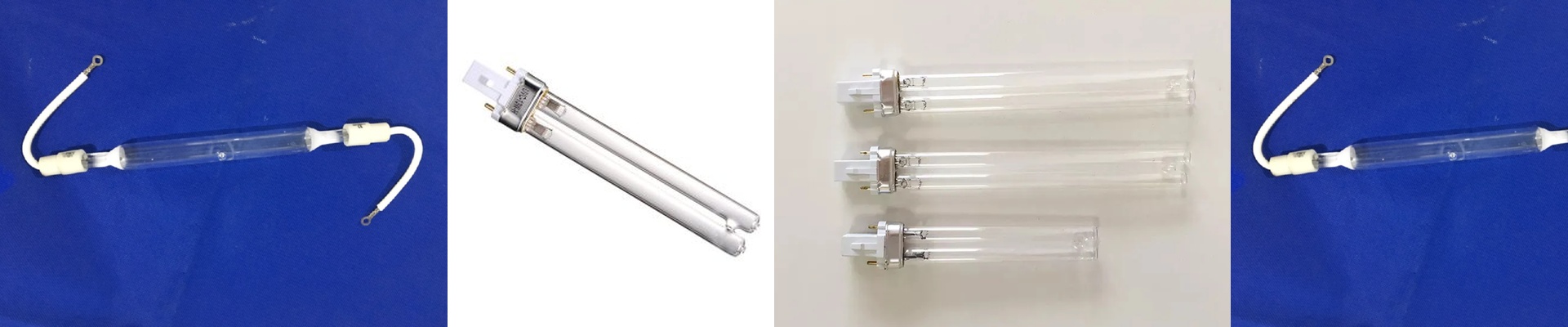
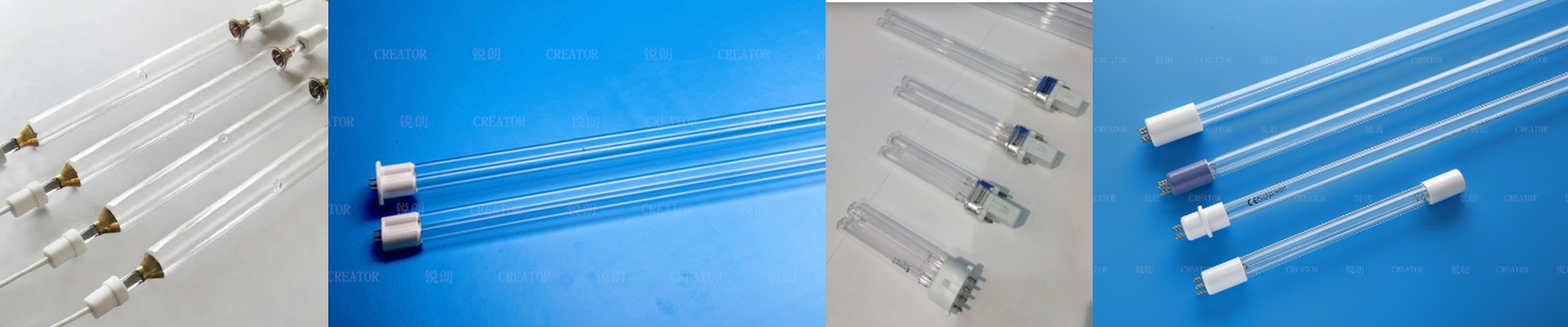
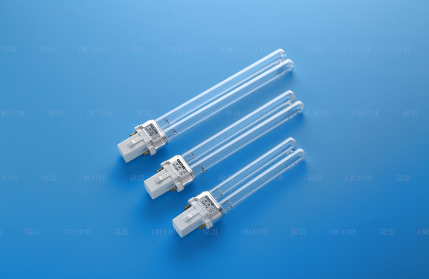
Mercury vapor lamps are basically the heavy lifters of the UV curing world. We design them to do one thing: hit your adhesives, coatings, or inks with enough high-energy radiation to make them snap into place. It all comes down to that mercury discharge creating those specific spectral lines—usually peaking at 254nm or 365nm—depending on the gas mix and the quartz we use.
The Heat Struggle
Here is the thing about picking a lamp: you have to watch your wattage-to-length ratio. If you cram too much power into a short tube, you’re creating a heat bomb. That’s why your cooling system—whether you’re using air or water—needs to be spot on. If it’s not, your quartz might crack or your electrodes will burn out way too soon. We spend a lot of time tweaking the voltage and current tolerances because nobody wants a flickering lamp. Flicker leads to “striping” on your line, and that’s a nightmare for quality control.
Quartz and the “Gunk” Problem
We use high-purity fused quartz because regular glass just blocks the UV light. Quartz lets it fly right through. Then there are the electrodes. We’ve engineered these to fight “sputtering”—that annoying buildup of metal on the inside of the glass that makes your lamp dim over time. We also offer a bunch of different end-cap setups so these just slide right into your current fixtures. If the fit is loose, you’re losing power and risking a nasty electrical arc at the socket.
Does it actually cure?
At the end of the day, the only thing that matters is the cure rate. We stack our lamps up against the big global brands to make sure they hold their own. If your resin isn’t hitting the right Shore hardness or staying tack-free at your usual line speed, that’s on us. We don’t do “estimated” numbers. We measure the actual microwatts per square centimeter ($\mu W/cm^2$) to prove the output is where it needs to be.