



Let’s Stop Treating UV Lamps Like Disposable Trash
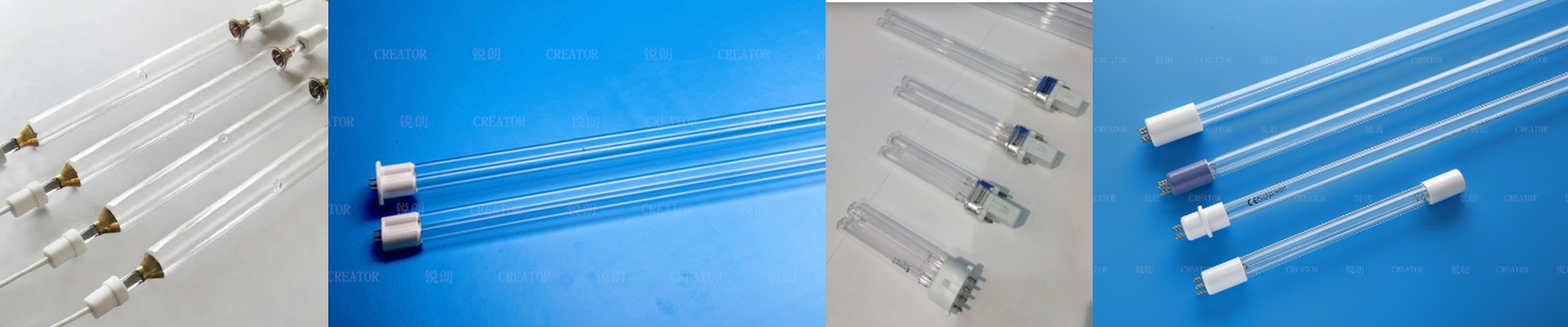
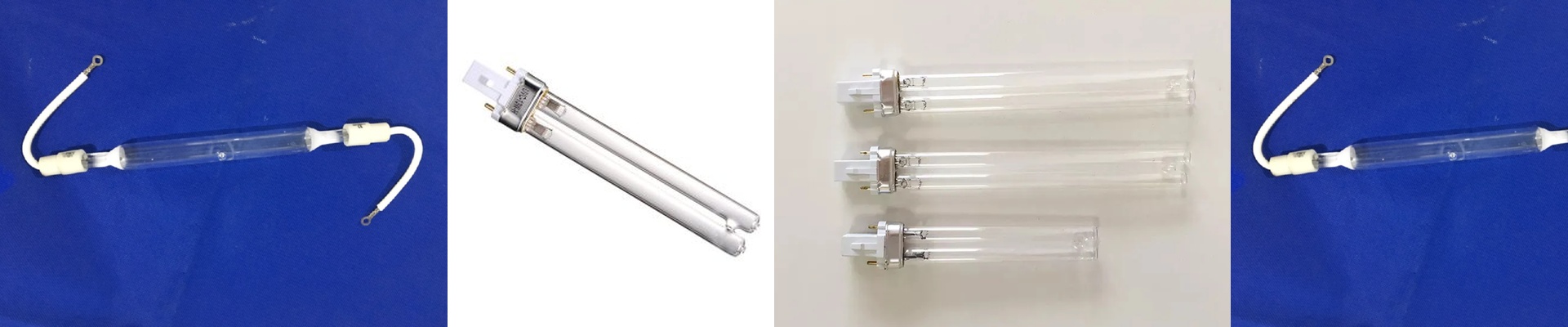
For too long, UV sterilization has felt like a cycle of buying, burning out, and tossing. Most germicidal lamps just don’t last. Between the electrodes wearing down and cheap quartz glass, you end up replacing them way too often. It’s a headache for your budget and a nightmare for the environment. We decided to change that. We’re moving away from “disposable” and building lamps that actually act like permanent infrastructure. By using high-purity synthetic quartz and materials that won’t poison the planet, we’re finally breaking that cycle of constant waste.
The secret to saving energy
Here’s the thing: saving energy isn’t about just cranking down the wattage. That doesn’t help if the lamp isn’t actually killing the germs. The real trick is getting more “bang for your buck”—more UVC photons for every watt used. We spent a lot of time messing with the gas mixture and pressure inside the tube to hit that 254nm sweet spot. We also tweaked the electrode shape to keep things cool. Why? Because when these lamps get too hot, the glass “solarizes.” It turns cloudy, blocks the light, and basically becomes a useless piece of glass. By keeping the temperature down, the light stays clear and the lamp stays powerful.
Better materials, less junk
We got rid of the heavy mercury alloys. Instead, we switched to stable, low-emission materials that just work better. Even the housing is made from recyclable polymers that won’t smell or off-gas when things heat up. But the real win is the cathode coating. Usually, lamps die because of something called “sputtering”—where metal bits flake off and coat the inside of the glass, blocking the UV light. It’s like a window getting covered in grime from the inside. Our coating resists that. It slows the whole process down, adding thousands of hours to the lamp’s life.
Getting them onto your floor
You don’t need to rip out your wiring or spend a weekend rewiring your racks. These are designed to be drop-in replacements for your existing ballasts. Just swap them out and you’re good to go. A quick heads-up, though. Because these run cooler and last longer, they’re more consistent. You might want to double-check your timers so you don’t over-treat your surfaces. And if you went with the ozone-producing version for that extra sterilization punch, just make sure your ventilation is up to the task. It’s a powerful tool, but it needs some breathing room.