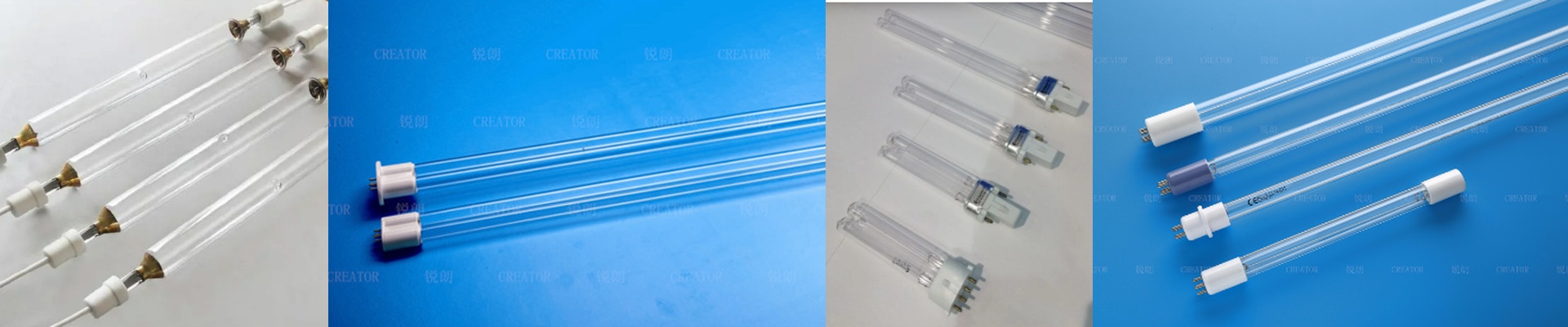
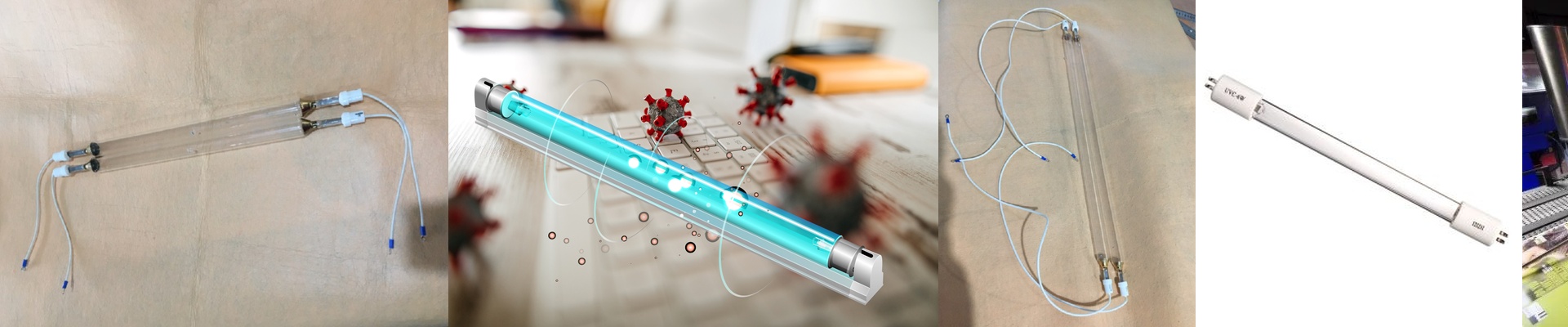
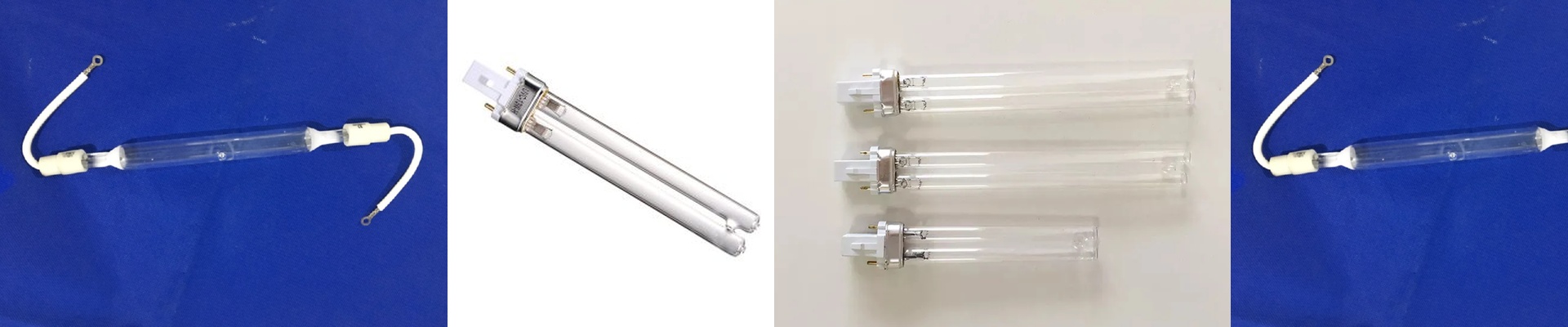

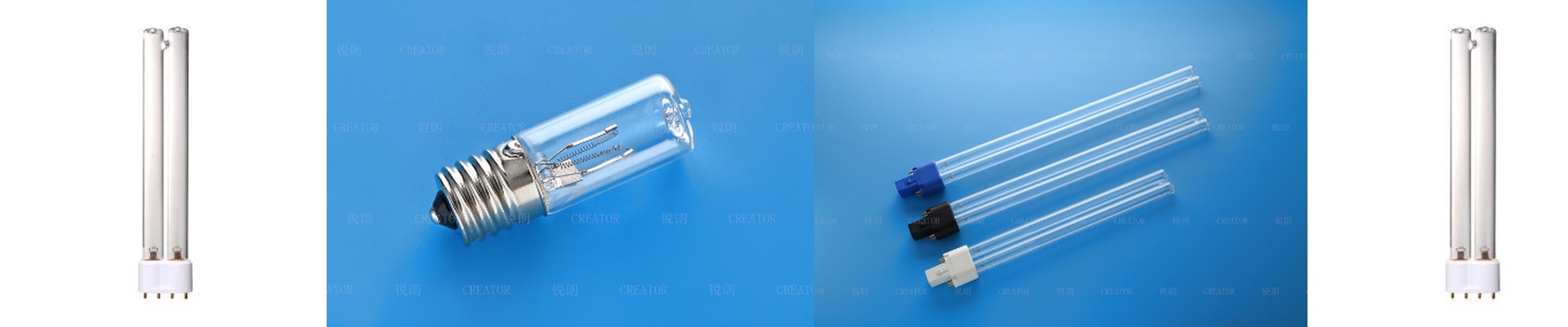
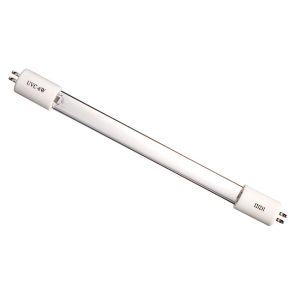
On the screen floor, downtime and rejects aren’t theory. They’re the direct result of a UV lamp that can’t keep up—ink that stays tacky, adhesion that falls apart, and schedules that slip away. We build our custom UV lamps to stop that from happening, and we back the performance with a warranty that means the numbers aren’t just talk. Here’s what actually matters in curing: spectral output and the energy density you deliver to the ink. Our mercury vapor lamps are engineered around the photoinitiator window, hitting strong output at 365nm for deep through-cure, while the stable 385–405nm component takes care of surface cure and color integrity. Peak irradiance stays consistent across the print width thanks to a dichroic-coated reflector, so the dose is uniform—first pass, last pass, same result. We match power density to the substrate and ink film, and we talk about curing speed in practical terms: line speeds you can actually hold without yellowing, with cross-linking that stays consistent. Stability isn’t a slogan. Our lamps hold output over thousands of hours, with a controlled degradation curve—less than 5% drop at 5,000+ hours. Why this matters for screen printing: you need deep penetration into thick ink deposits, but you can’t overheat thin substrates. The 365nm drives the photoinitiators through the bulk, and the broader spectrum gives you a clean skin cure that locks in gloss and adhesion. The payoff is faster cycles, fewer rejects, and less energy per print because the reflector efficiency keeps the power where it counts—on the substrate. Before you install, confirm fixture dimensions and the electrical interface. These lamps run hot, so airflow and keeping the reflector clean directly affect irradiance. Compatibility comes down to the printer’s shutter, shutter speed, and shutter cycle count—tell us your machine model, and we match the lamp, connector, and duty cycle. And if performance ever dips within the warranty period, our replacement process is straightforward and fast. No guesswork. Just uptime.
על רצפת המסך, זמני דיעבוד ופגים הם לא תיאוריה. אלו תוצאה ישירה של מנורת UV שאינה עומדת בקצב—דיו שנשאר דביק, דבק שמתפרק ולוחות זמנים שנשברים. אנו מייצרים מנורות UV מותאמות אישית כדי למנוע זאת, ואנו מגבים את הביצועים בערבות שמבטיחה שהמספרים אינם רק מילים.
הדבר החשוב באמת בריפוי הוא תפוקת הספקטרום וצפיפות האנרגיה שאתה מספק לדיו. מנורות אדי כספית שלנו מתוכננות סביב חלון הפוטואיניציאטור, מפיקות עוצמה חזקה ב-365nm לריפוי עמוק, בעוד שרכיב יציב בטווח 385–405nm מטפל בריפוי פני השטח ובשמירת שלמות הצבע. עוצמת קרינה מקסימלית נשארת קבועה לאורך רוחב ההדפסה בזכות רפלקטור מצופה דיכרואי, כך שהמינון אחיד—מעבר ראשון, מעבר אחרון, אותו תוצאה.
אנו מתאימים את צפיפות ההספק לחומר הבסיס ולשכבת הדיו, ומתייחסים למהירות הריפוי במונחים מעשיים: מהירויות קו שניתן להחזיק בפועל ללא הצהבה, עם קישור צלוב שמ נשמר קבוע. יציבות אינה סיסמה. המנורות שלנו שומרות על תפוקה אלפי שעות, עם עקומת דעיכה מבוקרת—פחות מ-5% ירידה לאחר 5,000 שעות ויותר.
מדוע זה חשוב להדפסה במסך: נדרש חדירה עמוקה לשכבות דיו עבות, אך אסור לעלות בטמפרטורה של חומרים דקים. ה-365nm מפעיל את הפוטואיניציאטורים בכל נפח החומר, וטווח הספקטרום הרחב מקנה ריפוי נקי של המשטח שעושה נעילת מראה ומעגן את ההיצמדות. התוצאה היא מחזורים מהירים יותר, פחות פגים, וצריכת אנרגיה נמוכה יותר להדפסה בזכות יעילות הרפלקטור ששומרת על העוצמה במקום הקריטי—על החומר הבסיס.
לפני ההתקנה, יש לאשר את מידות המתקן ואת ממשק החשמל. מנורות אלה פועלות בטמפרטורה גבוהה, לכן זרימת אוויר וניקיון הרפלקטור משפיעים ישירות על עוצמת הקרינה. התאימות תלויה בסגירת התריס, מהירות התריס ומספר מחזורי התריס במדפסת—ספק לנו את דגם המכונה, ונאים בין המנורה, החיבור ומחזור העבודה.
ואם הביצועים ירדו בתקופת הערבות, תהליך ההחלפה שלנו פשוט ומהיר. ללא ניחושים. רק זמן פעולה.