
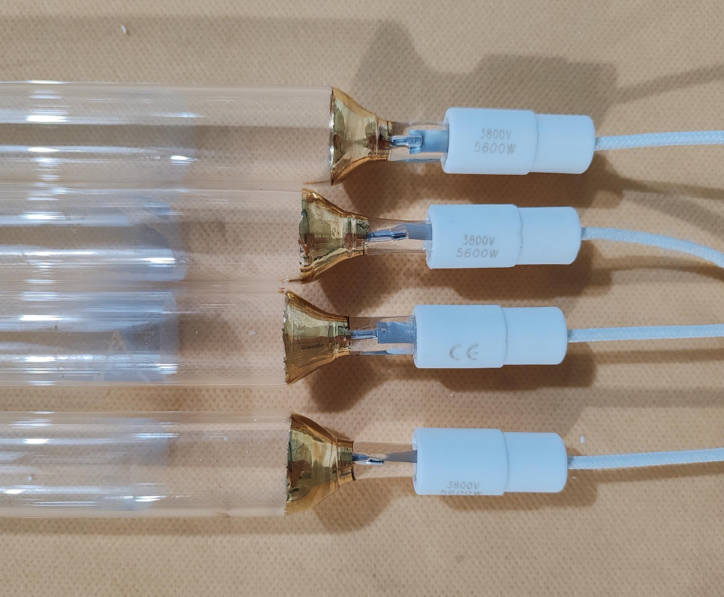
Introduction
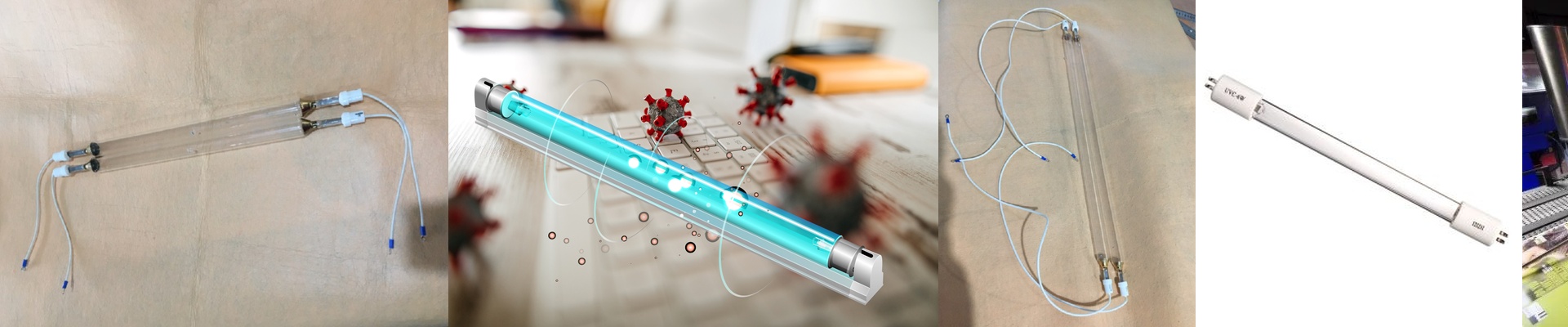
Here’s the thing: we build medium pressure mercury arc lamps for the places where the work is real—industrial heating, curing, and processing that can’t afford to slow down. These lamps throw down concentrated infrared and ultraviolet, and they’re built to run and run, cycle after cycle. Our aim is pretty straightforward: give you a lamp that meets the tough demands of industrial work, but still keeps the price honest, especially when you need more than one.
Technical Deep-Dive
The magic starts with medium pressure. It squeezes the arc into a tight, intense point, so you get a lot of watt-density in a small footprint. The physics are clean: more pressure inside means a hotter arc, which boosts spectral intensity and cuts warm-up time. And on the shop floor, the electrical details matter. We lean on a 400V rating because it lowers current draw compared to lower-voltage options. Less current means thinner wiring, less voltage drop over long runs, and less strain on terminals and ballasts. Paired with 2500W and a 300mm tube, the lamp delivers a heat profile you can count on—one that fits into your existing machines without a fight.
Material & Design
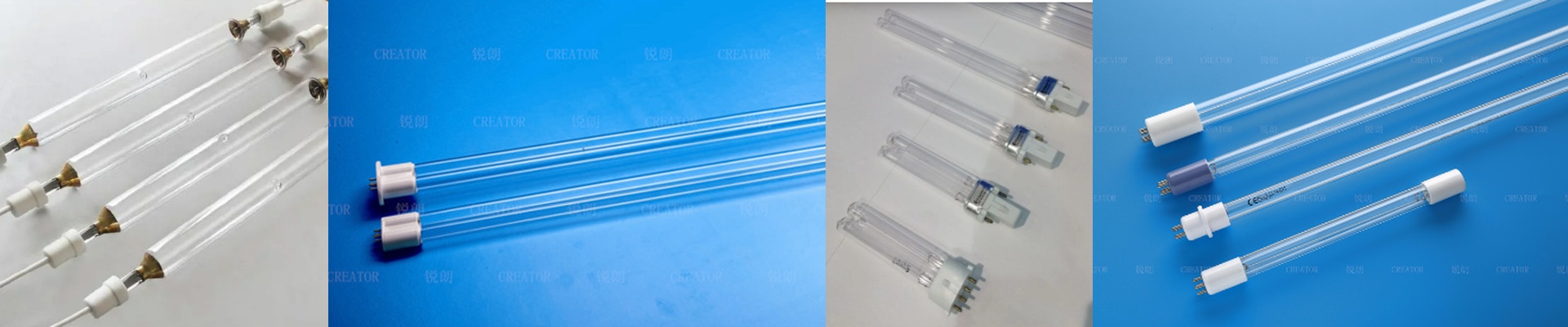
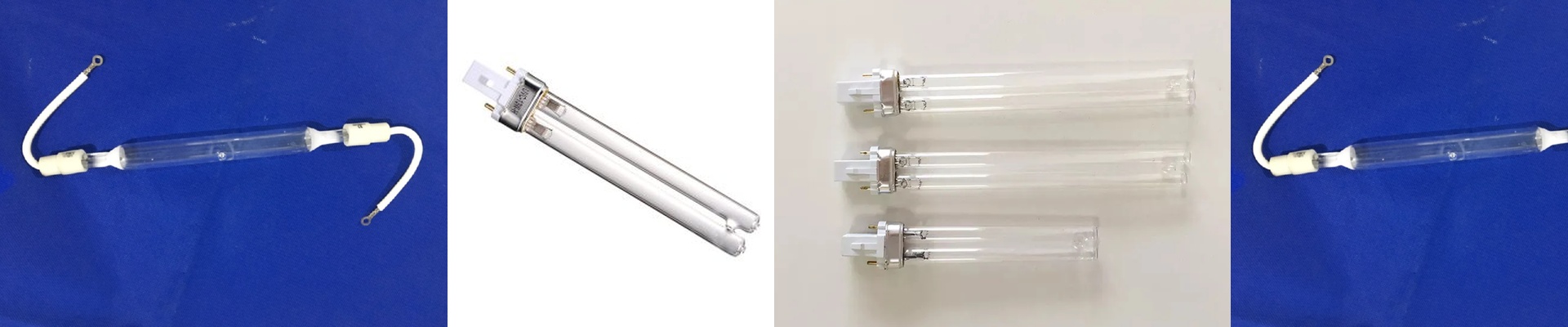
We use a quartz envelope because it handles the shock of rapid on-off cycling and keeps the IR and UV wavelengths coming strong, without degrading. Inside, the mercury charge is measured precisely so the arc stays stable and the output stays consistent over the life of the lamp. The R7s connector isn’t an afterthought, either. It’s a direct, bi-pin termination that holds the lamp securely, carries the current cleanly, and makes replacement quick. You wire it once, and the lamp drops in square, so you get fewer alignment headaches and less contact resistance.
Application & Benefits
In practice, this setup is made for production life. That concentrated output is right at home drying coatings, curing adhesives, and heating plastic parts. The lamp starts fast and then holds steady, which helps you keep line speeds where they need to be. We design these as drop-in replacements for standard medium pressure systems, so you don’t have to re-engineer your equipment just to upgrade. Now, the trade-off is real: that kind of power density needs proper cooling and the right reflector geometry. But if you size your cooling and optics to match the lamp, you get stable performance with maintenance you can plan for. That’s how we keep the performance high while keeping the cost under control.